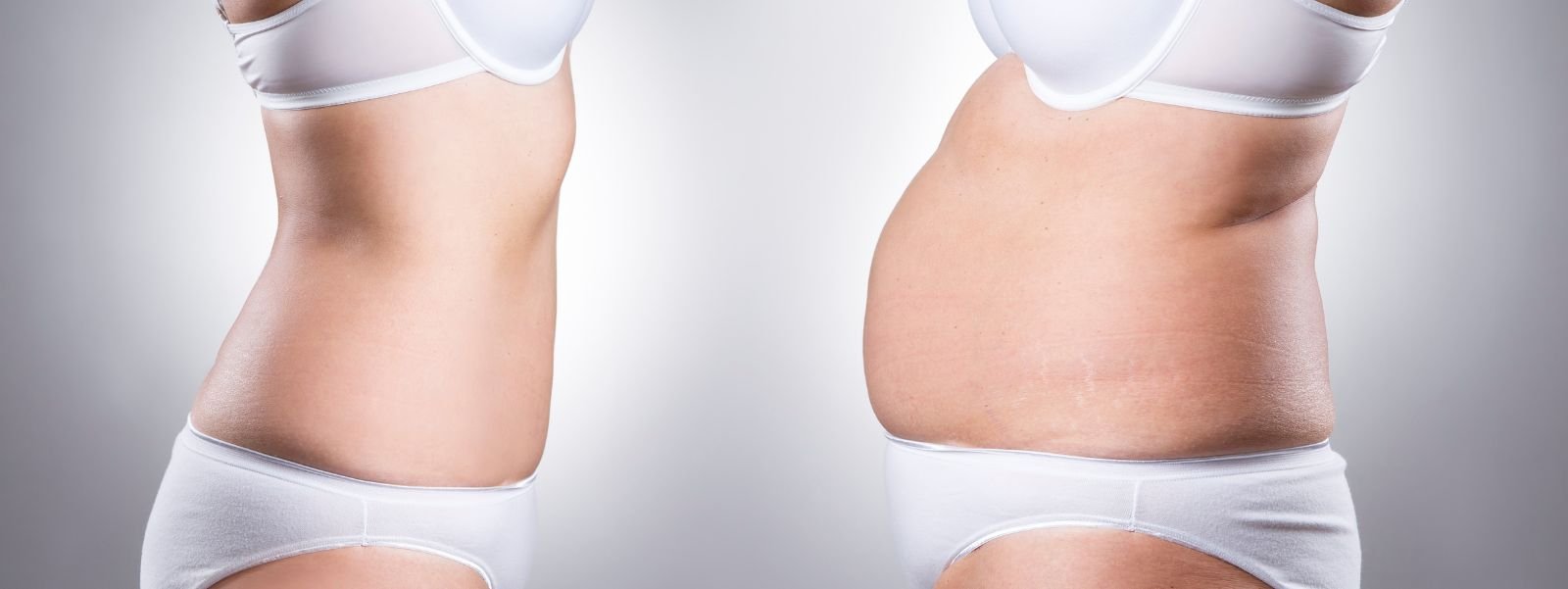
How Much Fat Can Be Removed With Liposuction?
When considering liposuction surgery in Hyderabad, Mumbai, or Lucknow, one of the most common questions patients ask is straightforward: exactly how much fat can be safely removed? This question matters tremendously because understanding the limits of fat removal helps set realistic expectations, ensures your safety, and determines whether liposuction alone will address your concerns or whether additional procedures might be necessary. Let's explore the science behind fat removal limits, what determines how much fat your surgeon can remove, and why medical guidelines exist to protect you.
The Medical Standard: Understanding Safe Fat Removal Limits
The plastic surgery community has established clear, evidence-based guidelines for safe fat removal, and these guidelines exist for important reasons. The American Society of Plastic Surgeons (ASPS) recommends that fat removal during a single liposuction session should not exceed 5,000 ml (approximately 11 pounds or 5 liters) of total aspirate (the combination of fat and fluid).
This isn't an arbitrary number. Medical research involving thousands of liposuction patients has shown that staying within this limit significantly minimizes complications while still delivering outstanding aesthetic results. The abdomen, which accounts for 41.50% of all liposuction procedures, is one of the most commonly treated areas, but even here, surgeons follow this conservative approach to prioritize patient safety.
Why the 5-Liter Limit?
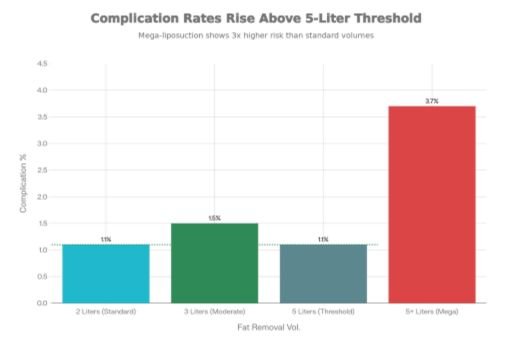
When fat removal exceeds 5 liters, complication rates jump dramatically. Research shows that liposuction volumes under 5 liters maintain a complication rate of approximately 1.1%, while mega-liposuction exceeding 5 liters sees complication rates spike to 3.7%—more than three times higher. This dramatic increase represents real risks to your health and recovery.
Key Factors Determining Your Safe Fat Removal Amount
Your individual safe fat removal limit isn't just a one-size-fits-all number. Several critical factors influence exactly how much fat your plastic surgeon can safely remove during your procedure.
Your Body Weight: This is the most important determinant of your personal safe limit. Medical guidelines suggest that a safe maximum of 8-10% of your body weight should be the aspirate volume removed. For example, if you weigh 150 pounds (68 kg), your surgeon would typically limit fat removal to approximately 5-7 liters to adhere to this percentage-based calculation. This percentage-based approach accounts for the fact that a larger person has more physiological reserves and can tolerate slightly greater fat removal than a smaller person.
Your Body Mass Index (BMI): BMI significantly influences complication risk. Research shows that patients with complications from liposuction had an average BMI of 28.2, compared to 26.5 for uncomplicated cases. Importantly, patients with BMI above 35 require particularly careful surgical planning and should undergo liposuction only in accredited facilities with experienced surgeons. Higher BMI correlates with increased risks of venous thromboembolism (blood clots), with affected patients having a median BMI of 30.1.
Your Overall Health: Any pre-existing medical conditions significantly influence your safe removal amount. Patients with uncontrolled diabetes, coagulation disorders, or cardiac conditions require more conservative fat removal limits. Your complete medical history must be reviewed during consultation to determine your personalized safe limit.
The Areas Being Treated: Different body areas have different safety considerations. Abdominal liposuction, while common and popular, involves areas closer to vital organs, requiring more surgical precision. Flank (love handle) liposuction, by comparison, is considered one of the safest areas because the anatomy is more straightforward and has fewer adjacent vital structures.
Your Surgical Facility and Surgeon's Experience: The setting where your surgery occurs and your surgeon's experience level matter tremendously. ASPS-accredited facilities with board-certified plastic surgeons maintain superior safety records. Large case volumes (241+ annual cases) paradoxically show higher complication rates in some studies, suggesting that rushed surgeries at high-volume centers can increase risks. The ideal plastic surgeon has substantial but measured experience—enough expertise to handle complex cases safely, but not so many daily surgeries that patient safety becomes compromised by rushed procedures.
Most Common Areas for Fat Removal: Realistic Expectations
Understanding which areas respond best to liposuction and typical fat removal amounts from each area helps set realistic expectations for your procedure.
The Abdomen (Upper and Lower):The abdomen is by far the most frequently treated area, accounting for 41.50% of all liposuction procedures performed today. The abdomen is divided into the upper abdomen (between your ribcage and navel) and the lower abdomen (below the navel). A typical abdominal liposuction removes approximately 1-2 liters of fat from this area when treated alone, though some surgeons may remove up to 3 liters if the patient is appropriate and this is the only area being treated. Upper abdominal fat creates that protruding "apple-shaped" midsection that resists exercise. Lower abdominal fat is where postpartum "pooch" and weight-related bulges typically linger.
Flanks and Love Handles: The flanks (sides of your waist) are another extremely popular treatment area and are considered one of the safest areas to treat because the anatomy is relatively straightforward. Typical flank liposuction removes 0.5-1.5 liters of fat per side. Because flanks are relatively easy to access and have fewer anatomical complexities, they're considered one of the most satisfying areas, with patients reporting excellent aesthetic improvements.
Inner and Outer Thighs: Thighs are a top contender, particularly for those struggling with disproportionate fat in the upper legs. Inner thigh liposuction removes approximately 0.5-1.2 liters per side, while outer thigh ("saddlebag") liposuction typically removes 1-1.5 liters per side. Thighs respond exceptionally well to liposuction, with excellent reduction in chafing and creation of more streamlined leg contours.
Arms, Back, and Neck: These delicate areas require a highly skilled surgeon and typically involve smaller fat removal amounts. Back liposuction typically removes 1-2 liters, while submental (chin and neck) liposuction removes only 0.2-0.5 liters. While smaller, these procedures deliver transformative results by revealing a sharper jawline and more sculpted arm definition.
Hips: Hip liposuction targets fat that clings stubbornly in the hip area, typically removing 0.5-1 liter per side. When combined with flank liposuction, hip and flank treatment together can remove up to 3 liters total while maintaining natural proportions and creating a more hourglass or V-shaped torso.
What Happens When Fat Removal Exceeds Safe Limits?
Understanding the serious complications that can occur when surgeons exceed safe fat removal limits underscores why your surgeon maintains conservative, evidence-based guidelines.
Fat Embolism Syndrome: This is the most serious potential complication. Fat embolism occurs when fat particles dislodged during surgery enter the bloodstream and lodge in the lungs or other vital organs. Research indicates that fat embolism occurs in up to 8.5% of liposuction patients, though most cases are microscopic and asymptomatic. However, symptomatic fat embolism syndrome is potentially life-threatening, with a mortality rate estimated at 10-15% when respiratory insufficiency is severe. Importantly, the risk of fat mobilization and fat embolism is highest around 24 hours after liposuction, making the immediate post-operative period critically important for monitoring.
Seroma Formation: A seroma is a fluid collection beneath the skin that requires drainage. This is the most common complication of liposuction, occurring in about 24% of patients who experience any complication. Significantly, seroma risk increases substantially with large-volume liposuction, representing almost the entire increase in complication rates for mega-liposuction (5+ liters).
Excessive Swelling and Bruising: Large-volume fat removal causes disproportionate inflammatory response, resulting in severe swelling and bruising that can persist for months rather than weeks.
Electrolyte Disturbances: Removing massive amounts of fat disrupts the body's electrolyte balance, potentially causing dangerous cardiac arrhythmias and other serious metabolic complications.
Pulmonary Edema and Fluid Overload: Excessive fluid shifts from fat removal can overwhelm your body's regulatory systems, causing dangerous fluid accumulation in the lungs.
Contour Irregularities: Aggressive fat removal often creates visible dimpling, indentations, or uneven surface contours that become permanent cosmetic problems requiring revision surgery.
Infection and Wound Healing Problems: The larger the surgical trauma, the higher the infection risk and the greater the likelihood of wound healing complications.
Large-Volume vs. Mega-Liposuction: When Is More Volume Justified?
The medical literature makes a clear distinction between "large-volume liposuction" (5+ liters) and true "mega-liposuction" (8-10+ liters). It's important to understand when each might be appropriate.
Large-Volume Liposuction (5-8 Liters): This is sometimes appropriate for carefully selected patients with adequate body mass and excellent health. Large-volume liposuction can be performed safely in accredited facilities with experienced surgeons and comprehensive perioperative monitoring. However, the complication rate rises to 3.7%, and many plastic surgeons prefer to avoid this volume in routine cases.
Mega-Liposuction (8-10+ Liters): This extreme fat removal is generally reserved only for patients with specific fat deposition disorders such as lipedema or Dercum's disease, where the pathology itself justifies more aggressive treatment. Even in these specialized situations, mega-liposuction requires careful patient selection, comprehensive preoperative blood work, anesthesia monitoring, and staged procedures when possible.
Why Staged Procedures Are Often Better: Many plastic surgeons recommend staged liposuction procedures rather than attempting massive single-session fat removal. For example, if a patient needs 8 liters of fat removed, the surgeon might remove 4-5 liters initially, then schedule a second procedure 3-6 months later for the remaining fat. This approach dramatically reduces complication risks while still achieving the desired aesthetic outcome.
Important Safety Considerations: Why Your Surgeon Might Remove Less Than Expected
During your consultation, your surgeon might recommend fat removal less than the theoretical maximum for your body weight. This isn't conservatism holding back results—it's evidence-based medicine prioritizing your safety and aesthetic outcomes.
Skin Elasticity Limitations: Your skin's elasticity determines how well it contracts after fat removal. If skin elasticity is limited (particularly in older patients or after massive weight loss), removing excessive fat leaves loose, sagging skin that actually looks worse aesthetically. Your surgeon balances fat removal with what your skin can optimally accommodate.
Proportional Balance: Expert surgeons consider your overall body proportions, not just local fat reduction. Removing the maximum fat from one area might create disproportionate or unnatural-looking results. Strategic moderate fat removal from multiple areas typically delivers superior aesthetic outcomes compared to maximal removal from single areas.
Underlying Muscle Definition: The goal isn't simply maximum fat removal—it's creating beautiful, natural-looking body contours. If you lack underlying muscle tone in certain areas, even aggressive fat removal won't create definition. Your surgeon might recommend less fat removal combined with exercise recommendations or muscle-building strategies post-operatively.
Realistic Recovery Expectations: Larger fat removal volumes require longer recovery periods. If you have limited time away from work or family responsibilities, your surgeon might recommend a more conservative volume for your first procedure, with staged revision possible later if desired.
Recovery and Results Timeline Based on Fat Removal Volume
The amount of fat removed directly correlates with recovery duration and timeline to final results.
Standard Removal (2-3 Liters): Most patients return to light desk work within 1 week and resume normal activities within 2-3 weeks. Final results appear within 6-8 weeks as swelling completely resolves.
Moderate Removal (3-5 Liters): Recovery typically extends to 2-3 weeks for normal activities, with complete healing by 8-12 weeks. Some residual swelling may persist for 3-4 months.
Large-Volume Removal (5+ Liters): These procedures require 3-4 weeks of significant activity restriction, with return to normal activities extended to 4-6 weeks. Complete resolution of swelling can take 6 months or longer, and revision procedures to address contour irregularities may be necessary.
Understanding Your Personal Fat Removal Potential
The question "How much fat can be removed with liposuction?" doesn't have a single answer because every patient is unique. Your individual safe fat removal limit depends on your body weight, BMI, overall health, the specific areas being treated, and your personal aesthetic goals. What matters most is understanding that medical guidelines limiting fat removal to 5 liters aren't restrictions preventing you from achieving your goals—they're evidence-based safety measures that ensure both your safety and superior aesthetic outcomes. Surgeons who exceed these limits don't deliver better results; they simply increase complication risks. If you're considering liposuction surgery in Mumbai, Hyderabad, or Lucknow, choose a board-certified plastic surgeon who prioritizes evidence-based, conservative fat removal techniques combined with comprehensive body contouring expertise. At Zenith, our plastic surgeons specialize in precise fat removal that maximizes aesthetic results while maintaining the highest safety standards.
Ready to explore your personalized fat removal options? Schedule a confidential
consultation with Zenith today. During your consultation, our surgeons will evaluate your unique body composition, assess your health status, discuss your aesthetic goals, and recommend a customized fat removal plan specifically designed for your safety and desired results. Don't settle for maximum—settle for optimal. Contact Zenith now to begin your journey toward beautifully sculpted body contours achieved through expert surgical planning and precise fat removal.
